Lord Shanmukha: History, Symbolism, Mantras & Worship Guide
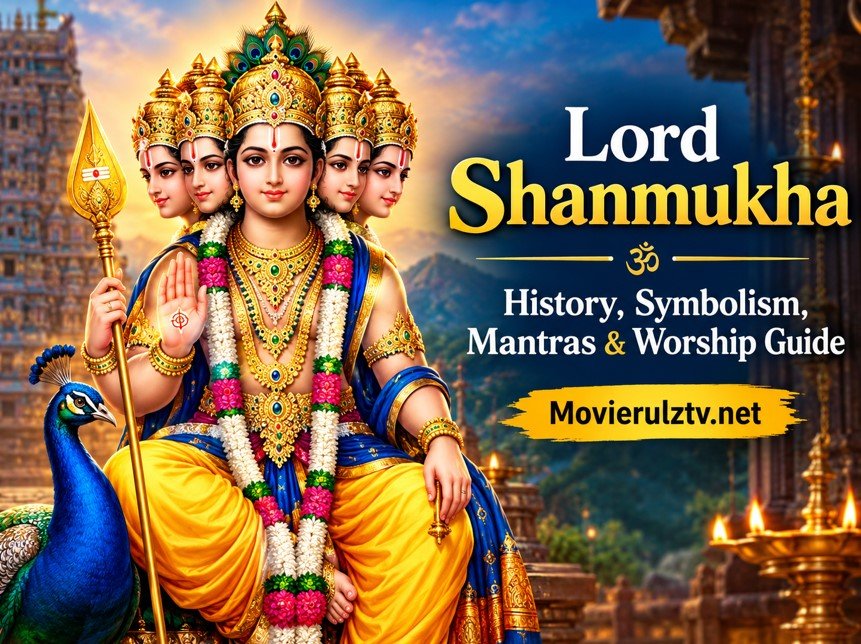
In the vast landscape of Hindu mythology, few deities command the same level of reverence, fierce devotion, and spiritual intrigue as Lord Shanmukha. Also known across different regions as Kartikeya, Murugan, Skanda, Kumara, and Subrahmanya, he is the eternal god of war, wisdom, and spiritual victory.
The name Shanmukha directly translates to the “Six-Faced Lord” in Sanskrit. While many recognize him simply as the divine son of Lord Shiva and Goddess Parvati, his significance extends far beyond his lineage. He represents the ultimate perfection of human wisdom, the conquering of negative ego, and the destruction of inner demons.
Whether you are a spiritual seeker looking to deepen your understanding of Hindu deities, an ascetic drawn to martial energy, or simply a student of mythology, understanding Shanmukha offers profound insights into ancient Indian philosophy.
This comprehensive guide explores everything you need to know about Lord Shanmukha, from his fiery origins and deep symbolism to his sacred shrines and powerful mantras.
Who is Lord Shanmukha?
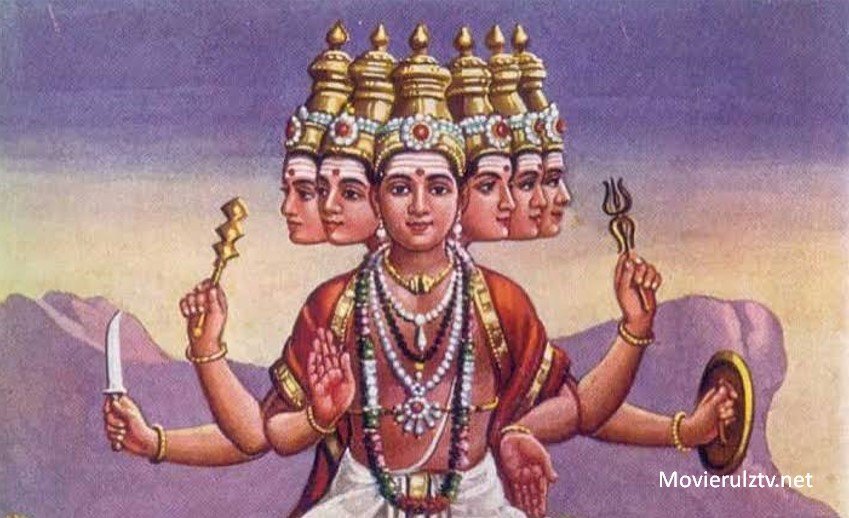
Lord Shanmukha is the Hindu god of war, primarily revered as the supreme commander of the divine army (Deva Senapati). His primary purpose in cosmic history was to defeat powerful forces of ignorance and chaos, most notably the formidable demon Tarakasura.
While his worship spans the entire Indian subcontinent, his presence is most vibrantly felt in South India, Sri Lanka, Malaysia, and Singapore, where he is affectionately known as Lord Murugan. In these regions, he is not just a martial god but a supreme patron of the Tamil language, culture, and literature.
The Epic Birth of the Six-Faced Warrior
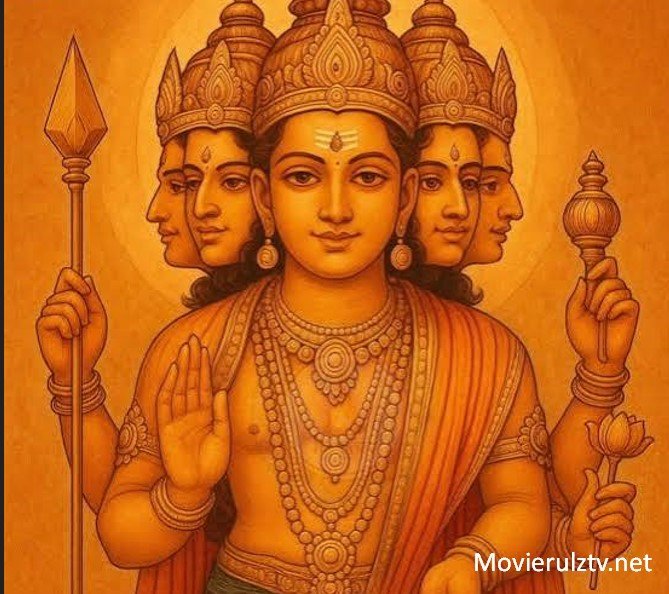
The birth of Shanmukha is one of the most fascinating tales recorded in the Skanda Purana. It is a story of divine intervention, cosmic heat, and the preservation of universal balance.
The universe was under siege by the demon Tarakasura. This demon had secured a boon stating that only a son born of Lord Shiva could defeat him. Since Shiva was in deep, solitary meditation following the loss of his first wife, Sati, the demon believed he was immortal.
To save the cosmos, the gods interrupted Shiva’s meditation. From Shiva’s third eye emerged six sparks of unimaginable fire. This divine fire was so intense that even Agni (the God of Fire) could not hold it for long. Agni transferred the sparks to the sacred river Ganga, who carried them to the serene Saravana Lake (a forest of reeds).
Upon reaching the lake, the six sparks transformed into six beautiful babies. Six celestial nymphs, known as the Krittikas (the Pleiades star cluster), discovered the infants and nursed them. When Goddess Parvati arrived and embraced the six children, they merged into a single glorious body with six heads. Thus, Shanmukha was born.
The Symbolism of the Six Faces
In Hindu iconography, nothing is accidental. Every weapon, posture, and physical attribute carries deep spiritual meaning. The six faces of Shanmukha are no exception. They represent his omnipresence and his absolute mastery over the physical and spiritual realms.
Here is what the six faces traditionally symbolize:
- Omniscience: The faces look in all four cardinal directions (North, South, East, West), as well as upward (representing the cosmos) and downward (representing the underworld). This signifies that nothing escapes his divine vision.
- The Five Senses and the Mind: The six faces represent the mastering of the five human senses (sight, sound, smell, taste, touch) and the controlling of the ultimate sixth element: the human mind.
- The Six Chakras: In yogic traditions, Shanmukha represents the activation of the six primary energy centers (chakras) along the human spine, guiding practitioners toward spiritual awakening.
- Divine Attributes: Each face reflects a specific divine quality: Wisdom, Dispassion, Strength, Wealth, Fame, and Divine Power.
By worshiping the six-faced lord, devotees ask for the strength to conquer their sensory distractions and focus their minds on higher spiritual truths.
Divine Weapons and Attributes
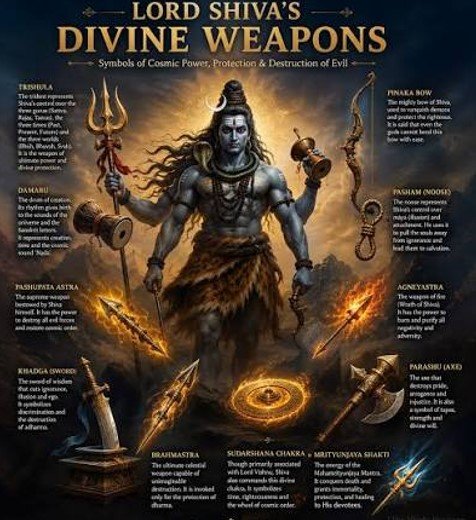
To understand Lord Shanmukha is to understand the tools he uses to maintain cosmic order. His iconography is rich with spiritual weapons that guide his devotees through the battles of daily life.
The Sacred Vel (Spear)
Shanmukha is rarely depicted without his divine spear, the Vel. Goddess Parvati gifted him this weapon before his battle with Tarakasura.
The Vel is not just a weapon of war; it is the ultimate symbol of spiritual knowledge (Jnana).
- The broad base of the spear represents deep and vast knowledge.
- The tapering shaft signifies the focus required to seek truth.
- The sharp point represents the piercing intellect needed to destroy the darkness of ignorance.
When devotees pray to the Vel, they are praying for clarity, wisdom, and the destruction of their inner ego.
The Peacock Vehicle (Vahana)
Every Hindu deity travels on a specific animal mount, known as a Vahana. Shanmukha rides a magnificent Peacock named Paravani.
The peacock represents splendor, beauty, and the conquering of toxic elements. Peacocks are known in nature to kill and eat snakes without being harmed by their venom. Spiritually, the peacock clutching a snake in its claws symbolizes Lord Shanmukha controlling the venomous ego, desires, and toxic thoughts that plague the human mind.
Lord Shanmukha vs. Lord Ganesha: A Divine Comparison
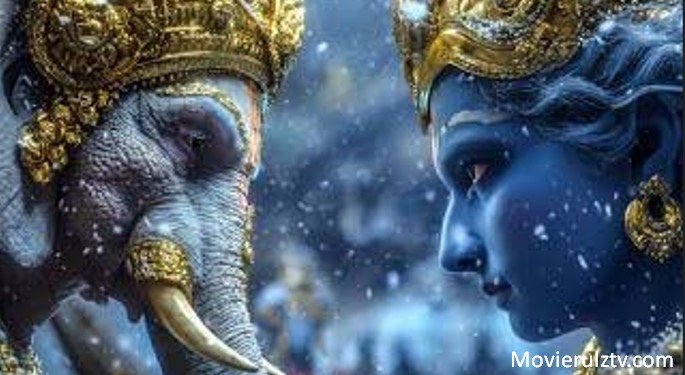
Shanmukha and Ganesha are divine brothers, but their energies, worship styles, and philosophical representations differ significantly. Understanding these differences provides a fuller picture of Hindu philosophy.
| Feature | Lord Shanmukha (Kartikeya) | Lord Ganesha |
| Primary Role | God of War, Victory, and Valor | God of Beginnings, Intellect, and Obstacles |
| Physical Appearance | Youthful, athletic warrior, six faces | Elephant-headed, stout, approachable |
| Divine Vehicle | The Peacock (Paravani) | The Mouse (Mooshika) |
| Core Symbolism | Conquering ignorance and ego | Removing obstacles and ensuring success |
| Energy Type | Intense, disciplined, martial, fiery | Grounded, calm, welcoming, earthy |
| Primary Worshippers | Seekers of discipline, courage, protection | Seekers of new beginnings, education, wealth |
While Ganesha removes the obstacles on your path, Shanmukha gives you the strength, courage, and discipline to walk that path successfully.
The Six Holy Abodes (Arupadai Veedu)
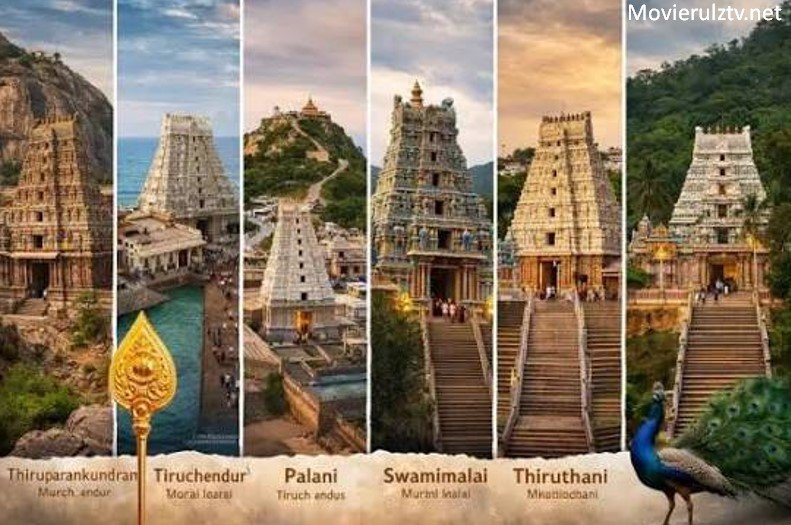
You cannot discuss Lord Shanmukha without exploring the Arupadai Veedu—the six sacred battle camps located in Tamil Nadu, India. These temples map out his life, his victories, and his spiritual milestones.
- Thiruparankundram: Located near Madurai. This cave temple celebrates Shanmukha’s marriage to Deivayanai, the daughter of the heavenly king Indra, symbolizing the union of divine action and heavenly grace.
- Tiruchendur: Situated right on the shores of the Bay of Bengal. This temple marks the exact location where Shanmukha defeated the demon Surapadman. It is unique because it is the only major Murugan temple located on a coastline rather than a hill.
- Palani (Thiruvavinankudi): Perhaps the most famous of all. Here, Shanmukha is depicted as Dhandayuthapani, a renounced ascetic wearing only a loincloth and holding a staff. It represents the ultimate renunciation of worldly attachments.
- Swamimalai: Located near Kumbakonam. This temple celebrates a fascinating myth where the young Shanmukha became the teacher to his own father, Lord Shiva, explaining the meaning of the sacred cosmic syllable, “Om.”
- Thiruthani: Located near Chennai. After his fierce battles, Shanmukha came to this serene hill to rest, cool his anger, and reclaim his inner peace. It represents tranquility after hardship.
- Pazhamudircholai: A lush, forested hill near Madurai. Here, Shanmukha is worshipped alongside both his consorts, Valli and Deivayanai. It represents grace, prosperity, and the omnipresence of the divine in nature.
The Pros and Cons of Skanda Sadhana (Spiritual Practice)
Engaging in the disciplined worship (Sadhana) of Lord Shanmukha brings immense transformation. Because he is a deity of intense, fiery energy (associated with the planet Mars in Vedic astrology), his spiritual practices carry specific benefits and strict requirements.
Pros of Shanmukha Worship
- Rapid Spiritual Growth: The fiery nature of Shanmukha burns away karmic blockages quickly, offering fast spiritual progression.
- Fearlessness: Regular chanting of his mantras completely eradicates fear, anxiety, and self-doubt.
- Enhanced Discipline: His energy naturally cultivates focus, physical vitality, and martial discipline.
- Protection: The recitation of texts like the Skanda Sashti Kavacham acts as an impenetrable energetic shield against negative energies and spiritual harm.
Cons (Challenges) of the Practice
- Strict Purity Required: Shanmukha is a deity of immense purity. Sloppy rituals, lack of physical cleanliness, or breaking vows during fasting can lead to spiritual stagnation.
- Intense Energy Surges: Beginners may find the martial, fiery energy overwhelming, leading to temporary irritability if the energy is not grounded through physical exercise or meditation.
- Requires Consistency: Unlike more forgiving deities, the discipline of Skanda Sadhana demands strict routine and unwavering commitment.
Global Festivals Celebrating Shanmukha
The worship of the Six-Faced Lord is not confined to quiet temple rituals. It bursts into the streets through vibrant, sometimes extreme, public festivals.
Thaipusam
Celebrated primarily in January or February, Thaipusam is a massive global festival observed in India, Malaysia (especially at the Batu Caves), Singapore, and Sri Lanka. Devotees carry ornate structures called Kavadis and pierce their cheeks, tongues, and skin with small spears (Vels) as acts of penance and devotion. It is a stunning display of mind over matter.
Skanda Sashti
This six-day festival in October or November commemorates Shanmukha’s epic six-day battle against the demon Surapadman. Devotees observe strict fasts for six days, consuming only water or a single vegetarian meal. The festival concludes with a dramatic theatrical reenactment of the demon’s defeat, known as Soorasamharam.
Panguni Uthiram
Celebrated in March or April, this festival marks the divine marriages of several Hindu gods, including the marriage of Lord Shanmukha to his consort Deivayanai. It is a time for joyful celebrations, family gatherings, and massive chariot processions.
Powerful Mantras of Lord Shanmukha
Sound vibrations play a crucial role in connecting with divine energies. Chanting the mantras of Lord Shanmukha can invoke his presence, grant wisdom, and offer fierce protection.
The Sharavana Bhava Mantra
“Om Sharavana Bhavaya Namaha”
This is the most fundamental and powerful six-syllable mantra of Shanmukha. Sharavana Bhava means “born in the forest of reeds.” Chanting this mantra destroys negative karma, brings immense peace, and clears the mind of toxic thoughts.
The Skanda Gayatri Mantra
“Om Thatpurushaya Vidhmahe, Maha Senaya Dheemahi, Thanno Skanda Prachodhayath”
This mantra is used for attaining high intellect, sharpening focus, and invoking spiritual illumination. It is highly recommended for students and individuals seeking success in competitive environments.
The Skanda Sashti Kavacham
While not a single mantra, this powerful Tamil hymn composed by Devaraya Swamigal is a spiritual armor (Kavacham). Reciting it is believed to protect every single part of the physical and subtle body from disease, enemies, and negative planetary influences.
Frequently Asked Questions (FAQs)
1. Why does Lord Shanmukha have six faces?
His six faces represent his ability to see in all directions, his mastery over the five senses and the mind, and his control over the six primary chakras of the human body.
2. What is the difference between Kartikeya and Murugan?
There is no difference in the deity himself. “Kartikeya” is the name most commonly used in North India, signifying his upbringing by the six Krittikas. “Murugan” is the beloved name used in South India, translating to “the beautiful one.”
3. Who are the consorts of Lord Shanmukha?
He has two consorts: Deivayanai (representing heavenly power and action) and Valli (representing earthly devotion and pure love). Together, they symbolize the union of willpower, knowledge, and action.
4. Why is the Vel (spear) so important?
The Vel is the physical manifestation of supreme divine wisdom. It represents the sharp, focused intellect required to pierce through the illusions of the ego and discover absolute truth.
5. How is Shanmukha connected to astrology?
In Vedic astrology, Lord Shanmukha is the ruling deity of the planet Mars (Mangal). Worshipping him can pacify a harsh Mars placement in a birth chart, reducing anger issues and resolving disputes.
6. What is the story behind the peacock and the rooster?
When Shanmukha defeated the demon Surapadman, he did not kill him. Instead, he split the demon into two halves. Out of divine mercy, he turned one half into a peacock (his vehicle) and the other half into a rooster (the emblem on his battle flag).
7. Can anyone chant the Sharavana Bhava mantra?
Yes. “Om Sharavana Bhavaya Namaha” is a universal mantra. It does not require formal initiation, though chanting it with a clean body, pure intentions, and early in the morning amplifies its benefits.
8. Why is he depicted as a child in some temples and a warrior in others?
Shanmukha embodies the full spectrum of spiritual life. As a child (Bala Murugan), he represents pure, untainted divine beauty. As a warrior, he represents righteous action. As an ascetic (Dhandayuthapani), he represents the ultimate renunciation of the material world.
Conclusion
Lord Shanmukha is much more than an ancient mythological warrior. He represents the eternal, ongoing battle within the human soul—the fight between our lower, ego-driven impulses and our higher, divine potential.
His six faces remind us to remain vigilant over our senses. His sacred Vel teaches us that wisdom must be sharp, deep, and focused. His peacock vehicle proves that even the most toxic aspects of our nature can be conquered and transformed into something beautiful.
Whether you approach him through the intense devotion of the Thaipusam festival, the quiet recitation of his mantras, or a pilgrimage to the Arupadai Veedu, Lord Shanmukha offers a direct path to courage, mental clarity, and absolute spiritual victory. By integrating his teachings into daily life, any seeker can transform their inner battlegrounds into spaces of profound peace.